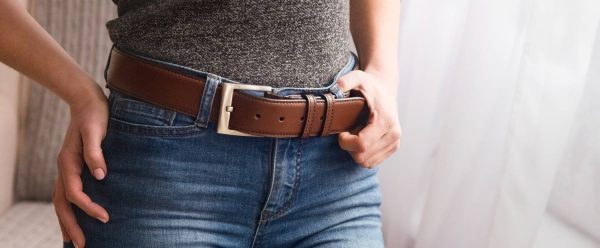
Belts are a must-have accessory for every wardrobe! While they’re most commonly used to keep loose pants up, you can also wear them around dresses, as a waist cincher, or just to pull an outfit together. How versatile!
Belts come with different buckles—the focal point of the whole accessory—and each type gives off a different vibe. If you want to learn about the most common types and how to style them effectively to get the most out of your belt game, let’s get into it!
The Frame Buckle Keeps It Classic
The frame buckle is the one you’ve seen your whole life. It’s a simple rectangular or square frame with a prong that slides through the belt holes. No frills, no fuss. That’s exactly why it works on almost everything.
Reaching for jeans and a button-down? Frame buckle. Dressing up for a business casual dinner? Still the frame buckle. It reads as put-together without trying to be the loudest thing in the room. When you want the rest of your outfit to do the talking, this is the one to grab.
The Western Buckle Brings History With It
Western-style buckles have a long history of craft and tradition behind them. These are large, often ornate buckles with engraved or embossed detailing. Commonly, they were given out as awards for rodeo events; the higher your placing, the bigger the buckle you were awarded. The designs would tell a story.
As western wear grew in popularity, people also began using statement buckles for everyday fashion. These buckles, predictably, work best with denim, boots, and anything with that ranchy, lived-in feel.
The Plate Buckle Makes a Statement
Don’t want to go overboard on accessories? The plate buckle is one statement piece that can add character to your look all on its own. This style features a flat, solid front—sometimes engraved, sometimes branded, sometimes totally minimal—and it sits flat against the belt for a sleek finish.
Plate buckles put the detail at the center of the waistband. They work especially well with leather belts and fitted jeans because the flat metal face breaks up a long line of denim and gives a tucked shirt a defined stopping point.
The O-Ring and D-Ring Buckles Work Smarter
These two get grouped together because they share a logic: instead of a prong, the belt threads through a metal ring to hold in place. The O-ring is circular; the D-ring has that flat edge. Both give you a more adjustable, relaxed fit.
Where do they shine? Casual outfits, linen pants, lighter fabrics, anything where a heavy metal prong would feel too stiff. They’re also a go-to for styling belts over flowy dresses or wrapping one around an oversized blazer. Functional and easygoing.
Your Buckle, Your outfit
Now that you know the main types of belt buckles, choosing one gets a lot less random. Each style has a natural home in your wardrobe—you just have to match the weight and vibe of the buckle to what you’re already wearing. A chunky western piece needs a bolder outfit to carry it. A sleek plate buckle does its best work when the rest of the look stays clean. Once you start paying attention to that balance, putting a belt together stops feeling like a guessing game.
Source: ALL FOR FASHION DESIGN https://allforfashiondesign.com/types-of-belt-buckles-and-when-to-wear-them/
First seen onhttp://allforfashiondesign.com/
Casual dressing has shifted from oversized sweatshirts and basic denim as more women look for outfits that feel relaxed without appearing unfinished. The appeal of effortless fashion comes from pieces that feel comfortable while still carrying a sense of intention, which is why small styling changes can make such a noticeable difference. In many ways, easy wardrobe tweaks that elevate casual style come down to balance, texture, and thoughtful layering.
Focus on Structure Instead of Volume
Loose silhouettes can feel stylish and modern, though an outfit usually looks more refined when at least one piece adds shape or definition. Wide-leg pants pair beautifully with fitted knit tops, while relaxed dresses feel more polished when layered beneath a tailored jacket or cropped cardigan. These combinations create contrast without making casual clothing feel overly formal.
Accessories can shift the tone of an outfit just as quickly as clothing choices. A structured handbag, metallic jewelry, or a sleek belt introduces dimensions that soft fabrics sometimes lack, particularly when neutral colors dominate the wardrobe. Small adjustments like these naturally contribute to making casual outfits look more put-together without requiring an entirely new closet.
Add Texture Through Statement Pieces
Texture creates visual interest, especially when outfits rely on simple shapes and understated colors. Leather, suede, and textured knits bring depth into everyday dressing while keeping the look approachable. Instead of relying on bright prints, many women prefer subtle materials that feel elevated yet wearable throughout the week.
Footwear tends to carry much of that personality because shoes immediately influence the mood of an outfit. Some women gravitate toward loafers or sleek ankle boots, while others choose to invest in a pair of snakeskin boots when they want a statement piece that still feels versatile with denim, monochromatic outfits, or long skirts. The texture adds character without overwhelming the rest of the look.
Use Color With More Intention
Neutral wardrobes remain timeless, though color placement matters more than quantity. A soft olive jacket, burgundy handbag, or muted blue blouse can refresh familiar basics while maintaining a sophisticated appearance. These additions work particularly well when paired with classic denim washes and simple layering pieces.
Monochromatic dressing creates another polished effect because repeating similar shades gives casual outfits a more cohesive appearance. Cream, camel, and gray combinations feel especially elegant during transitional seasons, particularly when fabrics vary slightly in texture and finish.
The Finishing Touches Matter Most
Details tend to separate effortless styles from outfits that feel unfinished. Rolling sleeves neatly, choosing cleaner shoe silhouettes, or tucking in only part of a blouse can subtly reshape everyday clothing without sacrificing comfort. These smaller choices bring attention to proportion and movement.
In the end, easy wardrobe tweaks that elevate casual style rarely involve replacing everything in a closet. More polished daily wear usually comes from refining familiar pieces, adding texture thoughtfully, and paying attention to the smaller details that make outfits feel intentional from head to toe.
Source: ALL FOR FASHION DESIGN https://allforfashiondesign.com/easy-wardrobe-tweaks-that-elevate-casual-style/
First seen onhttp://allforfashiondesign.com/
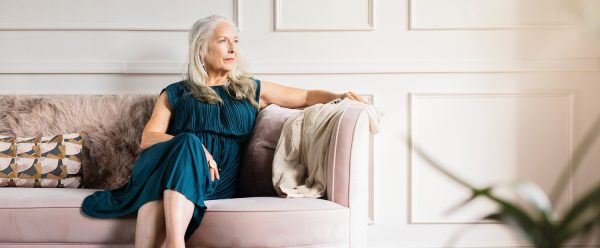
A busy day can make denim feel less like a wardrobe staple and more like a small argument with your closet. When you think about what to wear when jeans feel too uncomfortable, start with pieces that respect how your body actually moves. Comfort can still look stylish when fabric, fit, and color work in your favor, and a softer outfit can lift your mood before you even reach for lipstick.
Choose Soft Trousers With Shape
Soft trousers offer the easiest step away from stiff denim, while still giving an outfit structure. Ponte pants, stretch crepe styles, and wide-leg knits can create a clean line without squeezing your waist. For extra comfort, look for styles with elastic waistbands or adjustable ties, which make it easier to move throughout the day and adjust your fit as needed.
A smooth front helps the look feel polished, especially when you add a blouse or a relaxed jacket. You get the comfort you wanted, while the outfit still feels ready for lunch or a casual workday.
Wear Dresses That Feel Easy
A dress can rescue a morning when jeans suddenly feel fussy, tight, or out of sync with your mood. Knit midis, wrap dresses, and shirt dresses give the body room while still creating a flattering shape. That kind of ease offers real reasons to start wearing dresses more often, especially since fashion should feel fun instead of demanding. Try the look with loafers or low boots, then let one good accessory make everything feel intentional.
Reach for Skirts With Movement
A skirt brings a softer kind of polish when denim starts to feel too restrictive. Midi styles work especially well because they offer coverage without stealing the swing and charm from your outfit. A fitted tee can make the skirt feel casual, while a cropped cardigan adds a little shape near the waist. Choose a fabric that moves with you as you walk, since that small detail can make everyday dressing feel graceful again.
Make Athleisure Look Elevated
Athleisure works best when it looks chosen rather than grabbed in a hurry. A tapered jogger in a refined fabric can feel relaxed yet still give you a neat silhouette. Many women now look for sustainable athleisure because they want comfort that also reflects smarter shopping habits. Add a sleek sneaker, a simple jacket, and one polished piece of jewelry, and the outfit feels modern without trying too hard.
Finish With Confidence and Comfort
Use these outfit ideas to wear when jeans feel too uncomfortable! You don’t need to sacrifice your comfort for aesthetics and vice versa. Your clothes should help you enjoy the day, not distract you with pinching seams or stiff fabric. Once you find softer pieces that still feel polished, getting dressed becomes a much kinder routine. Confidence shows up more naturally when your outfit supports your body and your sense of style.
Source: ALL FOR FASHION DESIGN https://allforfashiondesign.com/what-to-wear-when-jeans-feel-too-uncomfortable/
First seen onhttp://allforfashiondesign.com/

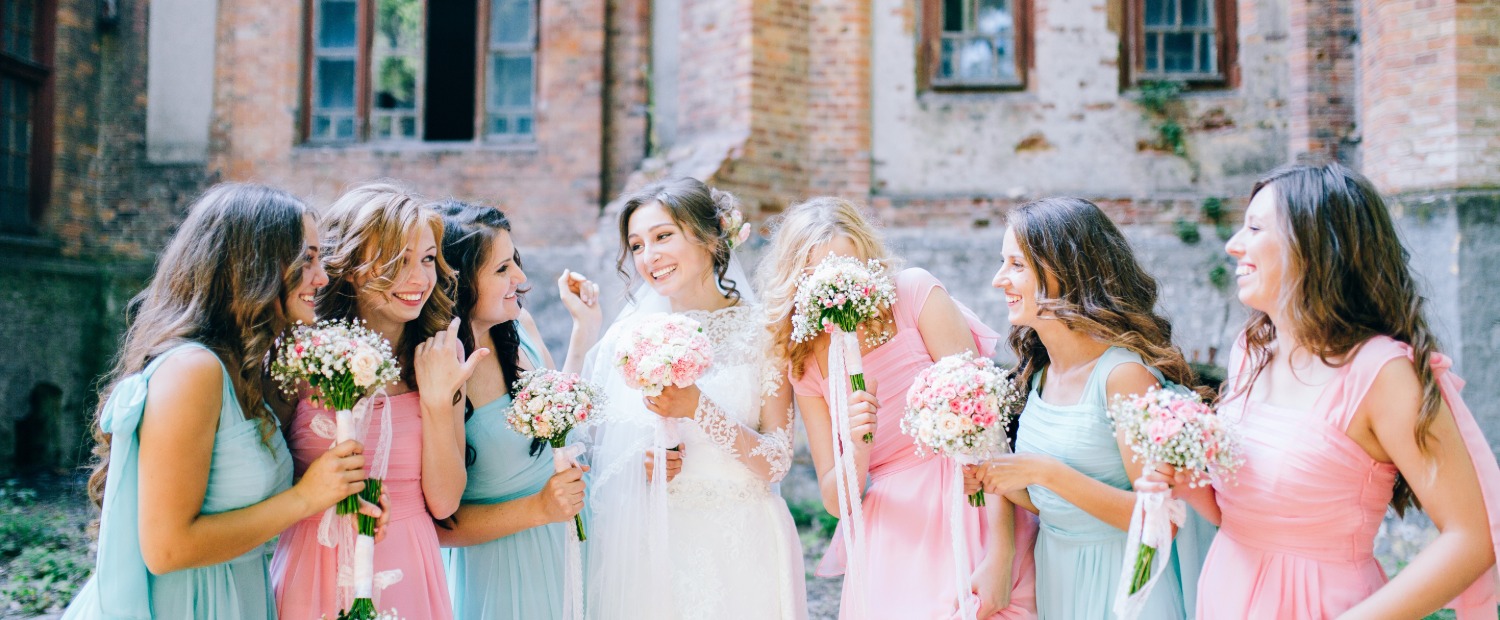
Choosing a bridesmaid look sounds simple at first: pick a dress, choose a color, and move on to the next wedding decision. In reality, it often takes a little more thought. Bridesmaids may be different ages, body types, heights, and style personalities, which means one single dress rarely feels perfect for everyone. Here’s how you can plan a stylish look for your bridesmaids.
Choose a Color Everyone Can Wear
Color is one of the easiest ways to make the bridal party feel unified without making everyone look identical. Instead of choosing a single shade for each bridesmaid, consider building the look around a color family. Dusty blue, navy, and slate can blend beautifully for a soft, romantic effect, while champagne, taupe, and soft gold can create a warm neutral palette that feels elegant and timeless.
A more flexible color palette also makes the shopping process easier. One of the best ways to pick dresses your bridesmaids won’t hateis to select variations of one color. This approach gives everyone a little freedom while keeping the group visually connected. It also helps bridesmaids choose shades that suit their skin tone and personal comfort level.
Mix Dress Styles Thoughtfully
Another tip for planning a stylish look for your bridesmaids is to experiment with different styles. Matching colors can bring the group together, but that does not mean every dress needs the same cut. One bridesmaid may feel best in sleeves, while another may prefer a halter neckline or a wrap dress.
Having mixed styles will look more polished when one or two details tie everything together. This could be the same fabric, a similar dress length, a shared color family, or coordinated accessories. These small connections help the bridal party look intentional and elegant rather than mismatched.
Keep Accessories Simple
Accessories should finish the outfit, not overpower it. Small earrings, delicate bracelets, soft waves, or classic updos can all work well depending on the wedding style. Shoes should also be stylish but realistic, especially if the venue includes grass, gravel, stairs, or a long walk.
A simpler approach usually creates a more elegant overall effect. Less is more trends in bridesmaid fashion because clean styling feels timeless, photographs well, and lets each woman’s natural beauty show. Overly complicated accessories, bold shoes, and heavy jewelry can quickly distract from the bridal party’s coordinated look.
Think About Comfort
A beautiful dress only works if the bridesmaid can enjoy wearing it. The best styles allow room for movement throughout the day, from walking down the aisle to sitting through dinner and dancing later in the evening. Fabric choice also makes a difference. Light, airy materials are ideal for warm-weather weddings, while richer fabrics can feel polished and practical in cooler seasons.
The most memorable bridesmaid style is not about perfection. It is about creating a coordinated look that feels comfortable, modern, and joyful from the first photo to the final dance.
Source: ALL FOR FASHION DESIGN https://allforfashiondesign.com/how-to-plan-a-stylish-look-for-your-bridesmaids/
First seen onhttp://allforfashiondesign.com/
Packing for a vacation should feel exciting, not overwhelming. When you travel with a clear wardrobe plan, you worry less about outfits and focus more on enjoying the trip. Learning how to build a vacation capsule wardrobe will help you feel confident every single day you’re away.
Start with the Right Foundation Pieces
Every great vacation wardrobe starts with versatile pieces you can wear in multiple ways. Choose well-fitting trousers that look sharp for dinner and feel comfortable for a long afternoon of sightseeing. Add a classic wrap dress that works on the beach or at a rooftop bar.
Stick to fabrics that resist wrinkles, like jersey or linen blends, so you always look put-together without an iron in sight. Think about your planned activities and select pieces that fit those occasions well. A strong foundation gives you the flexibility to dress up or down without lugging a massive suitcase.
Choose a Color Palette That Works for You
A cohesive color palette is the secret weapon of every well-packed suitcase. Pick a neutral base color like navy or beige, then layer in one accent color that truly excites you. When every piece in your bag coordinates with another, you double your outfit options without adding extra weight.
For a beach destination, light and airy tones look stunning against a sun-kissed complexion. For a city trip, deeper tones give off an air of confidence and sophistication. Choose colors that reflect your personal style so that getting dressed each morning feels effortless and genuinely fun.
Pack Accessories That Elevate Every Look
Accessories turn a simple outfit into something truly memorable, and they take up very little space in your bag. A silk scarf can function as a hair wrap one day and a statement belt the next. Jewelry pieces with bold shapes add personality without the bulk.
If you plan to attend a special event on your trip, consider floral accents for a festive touch. For instance, maile lei are a popular choice for weddings and formal celebrations in Hawaiian culture. Choose accessories with purpose, and every outfit will feel complete.
Shop Secondhand for Unique Vacation Finds
Thrift stores and vintage boutiques hold some of the most unique fashion treasures, and vacation dressing gives you the perfect excuse to explore them. Building a capsule wardrobe with vintage finds lets you express your individuality while keeping costs low.
Look for well-made pieces in classic silhouettes that coordinate with items you already own. A vintage linen shirt or a retro-print sundress can anchor an entire week of outfits. Shop secondhand before your next trip, and you might discover a signature piece that becomes your favorite vacation staple for years to come.
Building your dream vacation wardrobe doesn’t require a huge budget or an oversized suitcase. With the right pieces and a smart color strategy, you can look polished every single day of your trip. Building a vacation capsule wardrobe will give you a solid foundation, allowing you to add new pieces for different climates and seasons.
Source: ALL FOR FASHION DESIGN https://allforfashiondesign.com/effortless-style-how-to-build-a-vacation-capsule-wardrobe/
First seen onhttp://allforfashiondesign.com/
Casual outfits are part of everyday life, but that doesn’t mean they have to look unfinished. In fact, some of the best everyday looks come from the simplest pieces already hanging in your closet. A good pair of jeans, a basic top, comfortable shoes, and a light layer can go a long way when everything works together. Looking polished in casual clothes is usually less about buying something new and more about paying attention to the little things that make an outfit feel intentional.
Focus on Fit and Balance
The first thing that makes a casual outfit feel more put together is fit. Pieces that are too loose from head to toe can look sloppy, while clothes that are too tight can feel uncomfortable and overdone. Finding balance makes a big difference.
If you wear a relaxed top, try pairing it with more structured pants or jeans. If your bottoms are wide or loose, a more fitted top can help create shape. These small adjustments make an outfit look more flattering without taking away the comfort that makes casual dressing so appealing.
Use Layers and Finishing Touches
Layers can also make simple outfits look more styled. A cardigan, denim jacket, or lightweight blazer adds dimension right away. Even rolling up your sleeves or doing a slight front tuck can make a basic outfit feel more thoughtful.
Accessories matter too. A simple necklace, a classic bag, nice pair of earrings, or a pair of sunglasses can finish the look without making it feel overdone. The same goes for shoes. Clean sneakers, loafers, sandals, or ankle boots can all work beautifully depending on the outfit and the season. Little styling changes like these can have a big impact on your outfit’s appearance.
Keep Everyday Pieces Looking Their Best
Another important detail is the condition of your clothing. Even a well-styled outfit can fall flat if the pieces look faded, stretched out, or worn. Keeping your everyday staples looking fresh helps everything else fall into place. Paying attention to how items are washed, dried, and stored can make a noticeable difference over time. This is especially true for printed pieces, where simple laundry habits can help preserve them so they continue to look crisp instead of dull.
Let Confidence Do the Rest
Of course, the final piece of any outfit is confidence. When you feel comfortable in what you’re wearing, it shows. Casual style works best when it feels natural and easy rather than overly planned. The goal is not to make everyday outfits look formal. It is to make them feel complete, flattering, comfortable, and true to your personal style.
Looking more put together in casual clothes comes down to a few thoughtful choices. When you focus on balance, simple finishing touches, layering, and taking care of the pieces you wear most often, everyday outfits start to look much more polished. It doesn’t take a major wardrobe change to make that happen. Sometimes the smallest details are the ones that pull everything together.
Source: ALL FOR FASHION DESIGN https://allforfashiondesign.com/how-to-make-casual-outfits-look-more-put-together/
First seen onhttp://allforfashiondesign.com/
Reusable tote bags have become a familiar sight in grocery stores, markets, and daily errands, gradually replacing single-use plastic bags. This shift reflects more than a trend; it signals changing attitudes toward waste, convenience, and responsibility. Understanding why reusable tote bags are gaining ground helps explain how small, repeated choices can influence broader environmental outcomes.
The Environmental Impact of Single-Use Plastic Bags
Before considering alternatives such as reusable tote bags, it helps to understand the environmental challenges posed by single-use plastic bags.
Plastic Waste and Long-Term Pollution
Single-use plastic bags are lightweight and durable, qualities that make them convenient but environmentally persistent. Once discarded, they can take decades to break down, often fragmenting into microplastics rather than fully decomposing. These fragments accumulate in soil, waterways, and marine environments, where they may be ingested by wildlife and enter food chains. Because plastic bags are widely used and easily dispersed by wind and water, their cumulative environmental footprint extends far beyond the point of disposal.
Why Disposal and Recycling Fall Short?
Recycling is often cited as a solution, yet plastic bags pose practical challenges within recycling systems. Many facilities cannot process thin plastic films efficiently, resulting in lower recycling rates than for other materials. When placed in standard recycling bins, bags can clog sorting equipment, increasing operational costs and contamination. As a result, a significant portion of plastic bags ends up in landfills or the environment, reinforcing why prevention and reuse strategies are increasingly emphasized over disposal-based approaches.
How Reusable Tote Bags Address Common Plastic Problems?
Reusable tote bags are often discussed as a response to plastic pollution, but their impact becomes clearer when viewed through patterns of repeated use and resource efficiency.
Reduced Waste Through Repeated Use
The primary environmental advantage of these bags lies in their ability to replace dozens or even hundreds of single-use plastic bags over time. Studies cited by environmental agencies commonly estimate that the average plastic shopping bag is mostly used for only 12–15 minutes before being disposed of. In contrast, a durable reusable tote bag can remain in circulation for years. Even conservative usage patterns such as bringing the same tote to weekly grocery trips, can prevent the accumulation of large volumes of plastic waste that would otherwise enter landfills or natural environments.
Lower Resource Demand Over Time
Although these bags often require more resources to produce upfront, their environmental cost is spread across repeated use. Life-cycle assessments frequently show that when a tote bag is reused consistently, its per-use environmental footprint drops well below that of disposable plastic bags. Over time, this reduces demand for virgin plastic, fossil fuel extraction, and energy-intensive manufacturing. When used as intended, these bags shift consumption away from continuous production toward longer-lasting materials, helping address plastic pollution at its root level rather than at the disposal stage.
Durability and Practical Advantages of Reusable Tote Bags
Beyond environmental considerations, these bags offer functional benefits that make them easier to integrate into everyday routines.
Strength, Capacity, and Longevity
These bags are typically designed to carry heavier loads than single-use plastic bags, which are prone to tearing under weight or sharp edges. Materials such as cotton canvas, woven polypropylene, or recycled fabrics provide greater tensile strength, allowing bags to be reused repeatedly without structural failure. Many tote bags can support 20-30 lbs, depending on construction, making them suitable for larger grocery trips or bulk items. It reduces the need for frequent replacement, extending product lifespan and improving reliability during routine use.
Versatility for Daily Use
In addition to strength, these bags offer flexibility across a range of everyday activities. Their larger size and reinforced handles make them useful for shopping, commuting, work, and casual outings. Unlike disposable plastic bags, tote bags can be folded and stored between uses or kept readily available in vehicles and backpacks. This adaptability supports habit formation, as having a reusable option on hand reduces reliance on plastic bags in unplanned situations, reinforcing consistent reuse rather than one-time convenience.
Economic and Policy Factors Driving the Shift
The move away from single-use plastic bags is influenced not only by environmental concerns but also by economic incentives and regulatory action.
Bag Bans, Fees, and Regulatory Pressure
Many governments have introduced plastic bag bans or usage fees to reduce waste and encourage the use of alternatives. These policies are based on evidence that even small charges can significantly reduce plastic bag use by discouraging habitual use. In regions where fees or bans are enforced, retailers and consumers often adapt quickly by turning to reusable tote bags as a practical replacement. Regulatory pressure has also encouraged businesses to reconsider their packaging practices to meet sustainability goals and comply with regulations.
Cost Savings for Consumers and Retailers
Over time, these bags can reduce recurring costs associated with disposable bags. Consumers who regularly bring their own bags avoid per-bag fees, while retailers benefit from lower procurement and waste-handling expenses. Some stores report reduced operational costs after transitioning away from free plastic bags. Although these bags require an initial purchase, their extended lifespan spreads costs across many uses, making them economically favorable for both shoppers and businesses in the long term.
Consumer Behavior and Changing Shopping Habits
The adoption of these bags reflects broader shifts in how consumers think about convenience, responsibility, and everyday purchasing decisions.
Growing Awareness of Sustainable Choices
Public awareness of plastic pollution and its effects on the environment has increased steadily through media coverage, educational campaigns, and visible impacts such as littered waterways. As a result, many consumers now associate single-use plastics with long-term environmental harm. Reusable tote bags are often viewed as an accessible way to reduce personal waste without major lifestyle changes. This growing awareness has influenced purchasing decisions, encouraging shoppers to favor products and practices that align with sustainability values.
Convenience and Habit Formation
Behavioral change is more likely to persist when sustainable options are easy to adopt. These bags support this by offering a simple, repeatable alternative to plastic bags. Once incorporated into daily routines, such as keeping totes in cars or near entryways, they become a default choice rather than a conscious effort. Over time, this habit formation reduces reliance on disposable bags and reinforces long-term behavioral shifts driven by convenience as much as environmental intent.
Limitations and Responsible Use of Reusable Tote Bags
While reusable tote bags offer clear advantages, their environmental impact depends largely on how thoughtfully they are produced, used, and maintained over time.
Environmental Trade-Offs and Overproduction
These bags typically require more raw materials, water, and energy to manufacture than single-use plastic bags. Life-cycle assessments show that materials such as cotton must be reused many times before their environmental footprint offsets the impacts of production. When tote bags are purchased excessively, used infrequently, or accumulated through promotions, these benefits decline. Sustainability outcomes depend less on ownership and more on consistent, long-term reuse that replaces disposable alternatives.
Hygiene, Care, and Storage Considerations
Proper care is another factor in responsible use. Reusable tote bags can collect moisture, food residue, or bacteria, especially when used for groceries. Research has linked infrequent washing to higher microbial presence. Regular laundering, drying between uses, and storing bags in visible, convenient locations helps maintain hygiene while encouraging continued reuse.
The Bigger Picture: Reusable Tote Bags as Part of Sustainable Living
Reusable tote bags illustrate how small, repeated actions can contribute to broader sustainability efforts. While they do not solve plastic pollution on their own, their consistent use helps reduce reliance on disposable materials. When integrated into everyday routines alongside other mindful choices, reusable tote bags support a shift toward longer-lasting products, reduced waste, and more intentional consumption patterns that extend beyond shopping habits alone.
Source: ALL FOR FASHION DESIGN https://allforfashiondesign.com/why-reusable-tote-bags-are-replacing-plastic/
First seen onhttp://allforfashiondesign.com/